
Kicking off with Registered Dietitian vs. Nutritionist: What is the Real Difference?, this opening paragraph is designed to captivate and engage the readers, setting the tone casual formal language style that unfolds with each word.
Exploring the nuances between a Registered Dietitian and a Nutritionist, this comparison sheds light on the distinctions that define their roles in the realm of nutrition and health.
Registered Dietitian vs. Nutritionist
Registered Dietitian vs. Nutritionist: Understanding the Key DifferencesRegistered Dietitian (RD) and Nutritionist are often used interchangeably, but there are key differences between the two professions. Let's delve into the core educational requirements, legal restrictions, certifications, and scope of practice for each.Educational Requirements
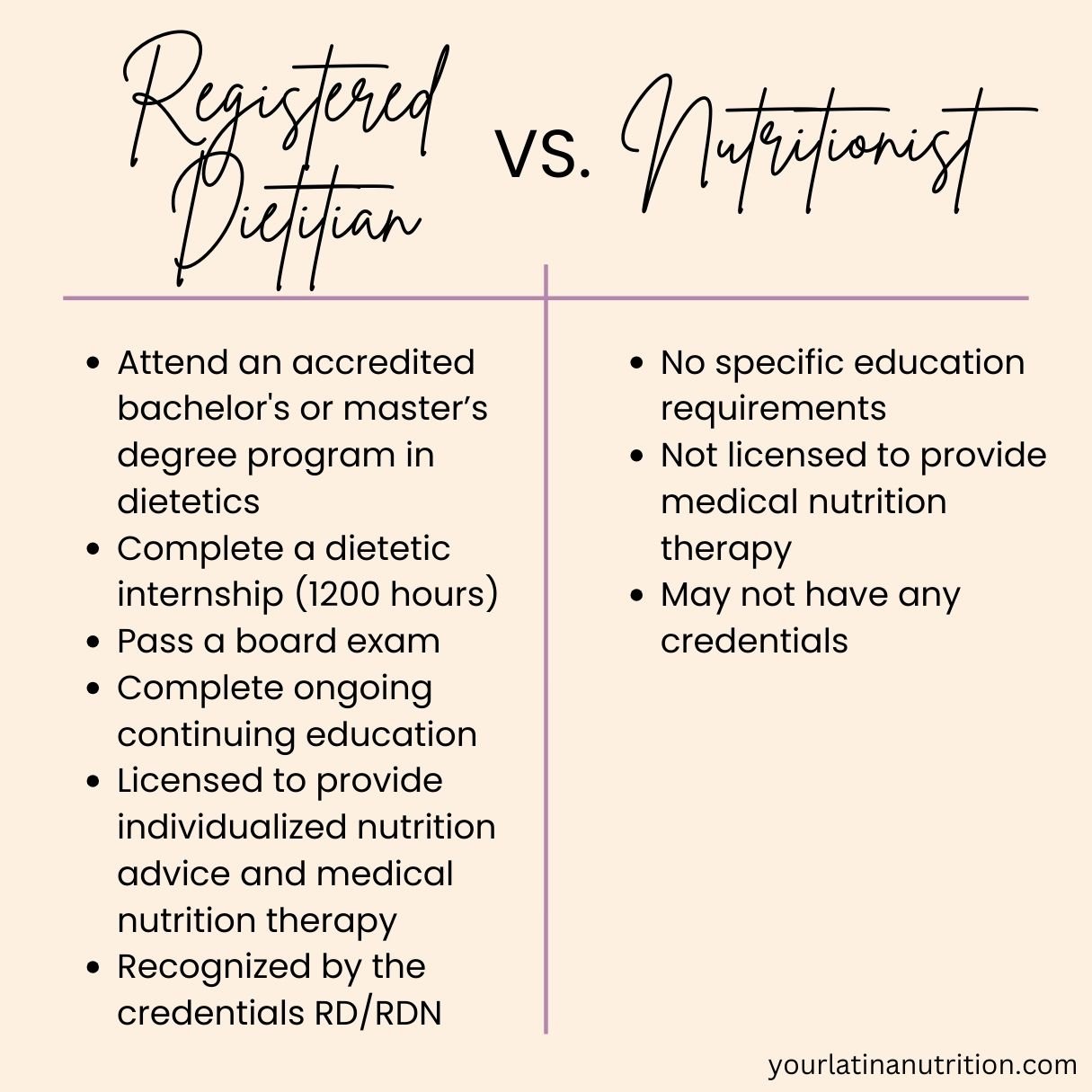
To become a Registered Dietitian, one must complete a minimum of a bachelor's degree in dietetics, nutrition, or a related field accredited by the Accreditation Council for Education in Nutrition and Dietetics (ACEND). This is followed by completing a supervised practice program and passing a national examination to become registered. On the other hand, the title "nutritionist" is not regulated in the United States, and the educational requirements can vary significantly. Some nutritionists may have a degree in nutrition, while others may have completed online courses or certificate programs.Legal Restrictions and Certifications
Registered Dietitians are regulated by state licensure laws, which vary by state but generally require RDs to be licensed to practice. They are also required to maintain their registration through continuing education and adhere to a code of ethics. Nutritionists, on the other hand, do not have legal restrictions in most states and are not required to be licensed or certified. This lack of regulation can lead to variability in the quality and expertise of individuals using the title "nutritionist."Scope of Practice
Registered Dietitians are trained to provide medical nutrition therapy to individuals with various health conditions, work in hospitals, clinics, and other healthcare settings, and often collaborate with healthcare professionals. They are equipped to assess, diagnose, and treat nutritional issues. Nutritionists typically focus on general health and wellness, providing guidance on healthy eating, meal planning, and lifestyle changes. They may work in community settings, private practice, or corporate wellness programs.In conclusion, while both Registered Dietitians and Nutritionists work in the field of nutrition, the key differences lie in their educational requirements, legal restrictions, certifications, and scope of practice. It is essential to understand these distinctions when seeking nutrition advice or services.Educational Background and Training
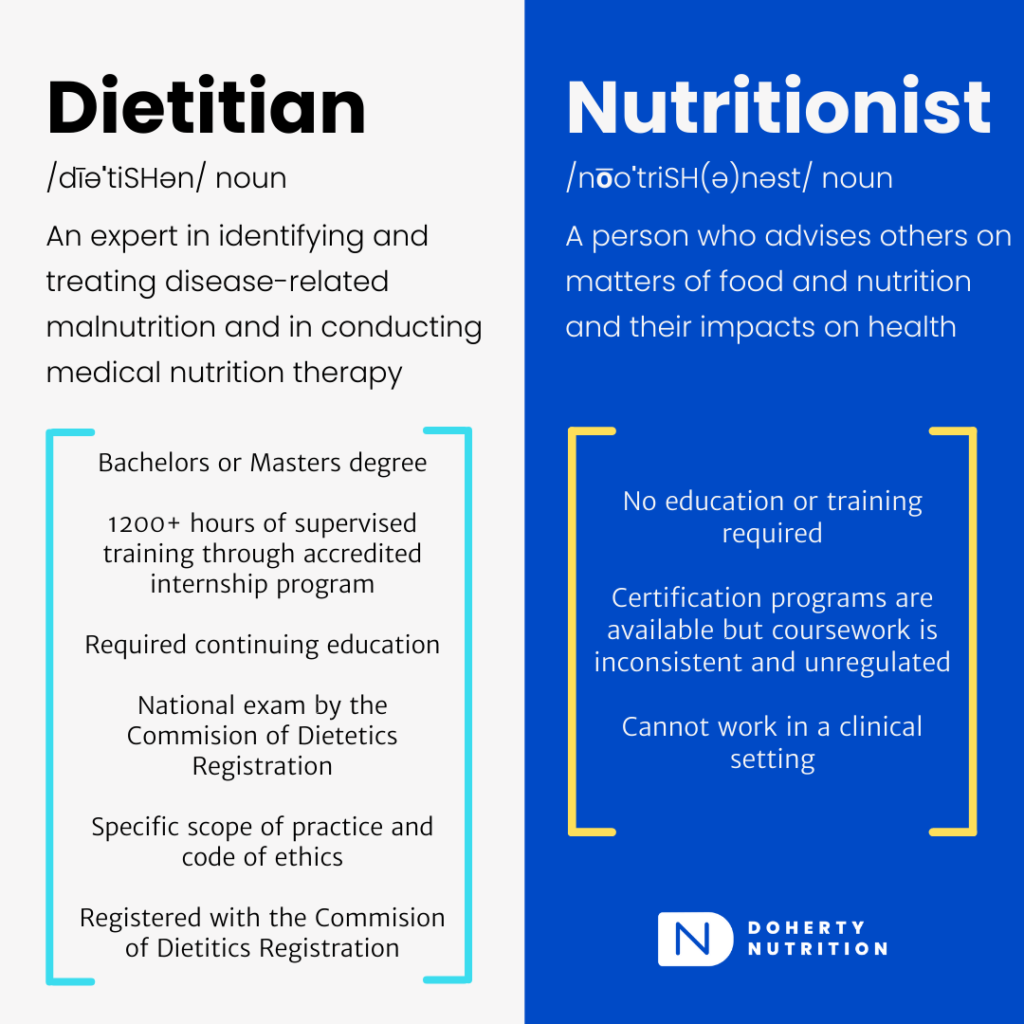 Registered Dietitian (RD) typically undergo a rigorous educational and clinical training process to become experts in the field of nutrition and dietetics. They must complete a bachelor's degree in dietetics or a related field, followed by a supervised internship program accredited by the Accreditation Council for Education in Nutrition and Dietetics (ACEND). This internship involves hands-on experience in various healthcare settings, such as hospitals, community health centers, and foodservice facilities.
Coursework and Clinical Training for Registered Dietitians
- Medical nutrition therapy
- Nutrition assessment and counseling
- Food science and foodservice systems management
- Biochemistry and physiology
- Nutrition education and communication
Educational Pathways for Nutritionists
Individuals pursuing a career as a nutritionist have various educational pathways available to them, including obtaining a bachelor's degree in nutrition, dietetics, food science, or a related field. Some may choose to pursue a Master's degree or certification programs in specialized areas of nutrition. However, the term "nutritionist" is not regulated in the same way as "registered dietitian," leading to differences in educational requirements and qualifications.Emphasis on Evidence-Based Practice
Both registered dietitians and nutritionists focus on evidence-based practice in their education and training. However, registered dietitians have a stronger emphasis on evidence-based practice due to the rigorous accreditation standards set by ACEND. This ensures that RDs are equipped with the knowledge and skills to provide scientifically sound nutrition advice and interventions based on the latest research and guidelines.Job Roles and Responsibilities
Registered dietitians and nutritionists play crucial roles in promoting health and wellness through proper nutrition. Let's delve into the specific responsibilities and job settings for each profession, as well as the differences in their counseling and therapeutic roles.Registered Dietitians in Healthcare Settings
Registered dietitians are highly trained professionals who work in various healthcare settings, including hospitals, clinics, nursing homes, and public health organizations. Their primary role is to assess the nutritional needs of patients and develop personalized meal plans to help manage medical conditions such as diabetes, heart disease, and obesity. They may also provide nutrition education to patients, families, and healthcare staff, ensuring that dietary requirements are met for optimal health outcomes.- Assessing the nutritional needs of patients based on their medical conditions and dietary restrictions.
- Developing customized meal plans to meet the specific dietary goals and health needs of individuals.
- Monitoring and evaluating the effectiveness of nutrition interventions and making necessary adjustments.
- Providing nutrition counseling and education to patients, families, and healthcare professionals.
Nutritionists' Common Job Settings
Nutritionists typically work in a variety of settings, including community health centers, schools, fitness centers, and food service establishments. They focus on promoting healthy eating habits and preventing nutrition-related diseases through education and counseling. Nutritionists may conduct group seminars, workshops, and individual consultations to help clients make informed food choices and achieve their health goals.- Conducting nutrition assessments and developing personalized meal plans for clients.
- Delivering nutrition education through workshops, seminars, and individual consultations.
- Collaborating with other healthcare professionals to promote overall health and wellness.
- Evaluating the nutritional content of food products and providing recommendations for healthier alternatives.
Counseling and Therapeutic Roles
Registered dietitians are trained to provide medical nutrition therapy for individuals with specific health conditions, working closely with doctors and other healthcare providers to manage diseases through diet. They may also specialize in areas such as pediatric nutrition, geriatric nutrition, or sports nutrition. On the other hand, nutritionists focus more on general wellness and preventive nutrition, guiding clients in making healthy lifestyle choices and improving overall health outcomes through diet and nutrition education.Registered dietitians have the expertise to provide therapeutic nutrition interventions for managing medical conditions, while nutritionists focus on preventive nutrition and promoting healthy eating habits.
Legal Regulations and Licensing
In the field of nutrition and dietetics, legal regulations and licensing play a crucial role in ensuring that practitioners meet certain standards and qualifications to provide safe and effective care to clients. Let's delve into the specific legal requirements and limitations for registered dietitians and nutritionists.Legal Requirements for Registered Dietitians
Registered Dietitians (RDs) are regulated healthcare professionals who have met specific educational and professional criteria to earn the credential. In the United States, RDs are required to complete a bachelor's degree in dietetics or a related field, followed by a supervised practice program and passing a national examination. Additionally, they must maintain continuing education to keep their credentials current. RDs are licensed by state regulatory bodies, such as state boards of dietetics/nutrition, which oversee their practice and ensure compliance with state laws.Legal Limitations on Nutritionists
Unlike registered dietitians, the term "nutritionist" is not regulated uniformly across states or countries. This lack of standardization can lead to confusion among the public regarding the qualifications and expertise of individuals using the title. In some jurisdictions, nutritionists may have limitations on providing medical nutrition therapy or specific dietary interventions, depending on their educational background and credentials. It is essential for individuals seeking nutrition advice to verify the qualifications and scope of practice of nutritionists to ensure they are receiving accurate and safe information.Licensing and Regulatory Bodies
The Academy of Nutrition and Dietetics is the primary professional organization for registered dietitians in the United States and plays a role in advocating for policies that support the profession. State boards of dietetics/nutrition oversee the licensing and regulation of RDs at the state level, ensuring that practitioners meet the necessary requirements to practice safely and effectively. In contrast, the regulation of nutritionists varies widely, with some states having licensure or certification requirements while others do not. It is important for individuals to research the specific regulations in their area to understand the qualifications and scope of practice for both registered dietitians and nutritionists.Final Summary
In conclusion, the disparities between a Registered Dietitian and a Nutritionist are crucial in understanding the expertise and responsibilities each profession entails. This discussion highlights the significance of education, job roles, and legal regulations that differentiate these two fields.
Essential Questionnaire
What are the core educational requirements to become a registered dietitian?
To become a registered dietitian, one must complete a bachelor's degree program in dietetics, undertake a supervised internship, and pass a national exam to obtain licensure.
Can a nutritionist provide the same services as a registered dietitian?
Nutritionists can offer general nutrition advice and guidance, but they are not qualified to provide medical nutrition therapy or work in clinical settings like registered dietitians.
What legal restrictions are imposed on nutritionists regarding dietary advice?
Nutritionists may face limitations in providing specific dietary advice that crosses into the realm of medical nutrition therapy, which is typically restricted to registered dietitians.