
Delving into The Link Between Chronic Pain and Prolonged Mental Suffering, this introduction immerses readers in a unique and compelling narrative. Chronic pain and mental suffering are two intertwined aspects of human experience that often go hand in hand, affecting individuals in profound ways. As we navigate through this intricate relationship, we uncover the complexities that underlie their connection, shedding light on the impact they have on one's overall well-being.
In the subsequent paragraphs, we will delve deeper into the causes, impacts, coping mechanisms, and treatment approaches related to chronic pain and prolonged mental suffering, providing a comprehensive understanding of this critical issue.
Introduction
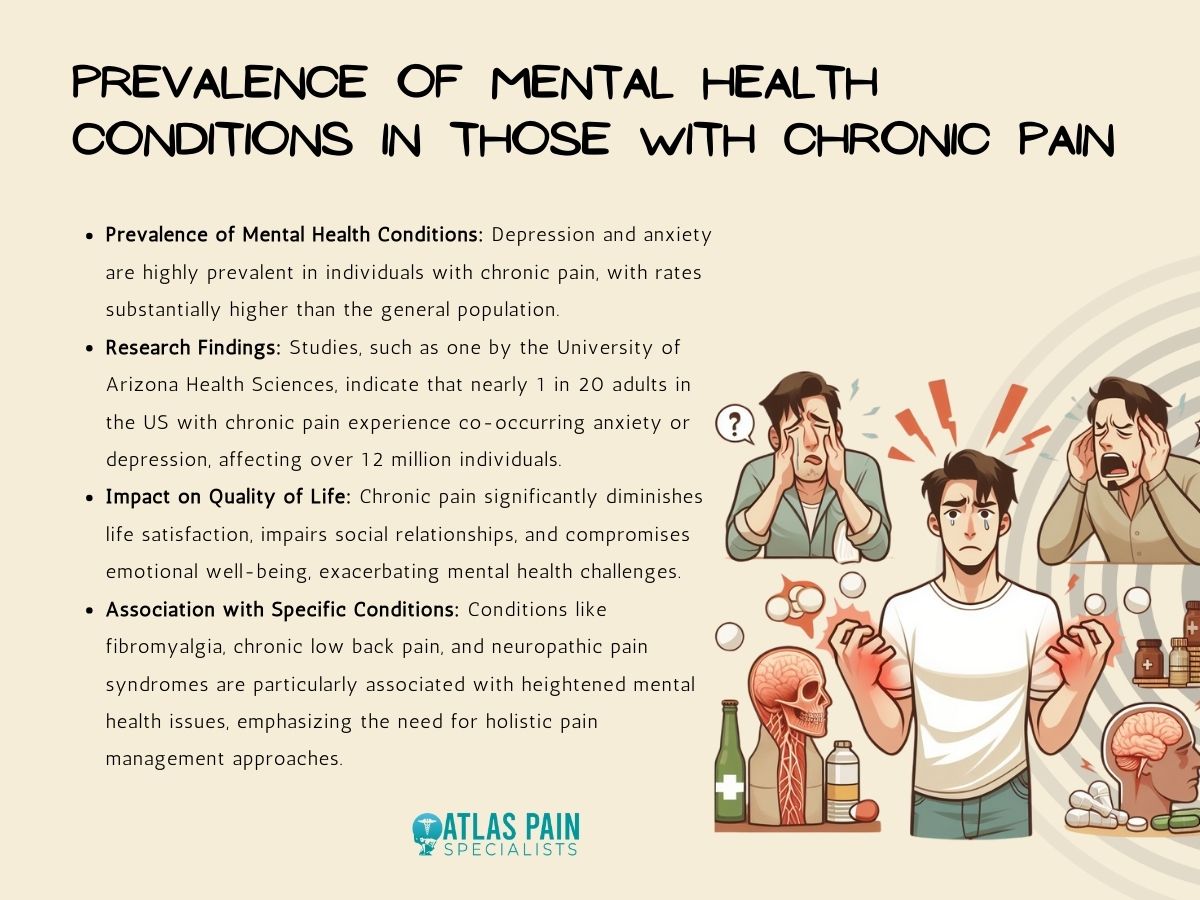 Chronic pain is defined as persistent pain that lasts for an extended period of time, typically lasting for 3 months or more. Prolonged mental suffering, on the other hand, refers to ongoing emotional distress or psychological pain that persists over time. These two conditions often coexist and can have a profound impact on an individual's overall well-being.Chronic pain is a prevalent issue worldwide, affecting millions of people and significantly impacting their quality of life. It can lead to physical limitations, reduced mobility, and decreased ability to perform daily activities, which can contribute to feelings of frustration, helplessness, and isolation. In turn, these emotional responses can exacerbate mental health issues, such as depression, anxiety, and stress.The link between chronic pain and prolonged mental suffering is complex and multifaceted. Chronic pain can trigger emotional distress and mental health problems, while psychological issues can also intensify the perception of pain. This cyclical relationship can create a vicious cycle where pain and mental suffering reinforce each other, leading to a worsening of symptoms and overall well-being.
Causes of Chronic Pain
Chronic pain can have various causes, ranging from injuries to medical conditions or lifestyle factors. Understanding these causes is crucial in managing and treating chronic pain effectively. Additionally, chronic pain can manifest not only physically but also emotionally, often leading to prolonged mental suffering. Here, we will explore common causes of chronic pain and how they can impact both the body and mind.Injuries
Injuries, such as fractures, sprains, or muscle strains, can lead to chronic pain if not properly treated or healed. The persistent pain from these injuries can affect mobility and overall quality of life, causing emotional distress and mental health issues.Medical Conditions
Certain medical conditions, like arthritis, fibromyalgia, or nerve damage, can result in chronic pain that lasts for months or even years. The constant discomfort and limitations imposed by these conditions can take a toll on one's mental well-being, contributing to conditions like anxiety and depression.Lifestyle Factors
Lifestyle choices, including poor posture, lack of exercise, or unhealthy diet, can also contribute to chronic pain development. These factors can exacerbate pain symptoms and hinder recovery, leading to a cycle of physical and emotional suffering.Examples of Chronic Pain Conditions Linked to Mental Health
- Fibromyalgia: A condition characterized by widespread pain and tenderness, often associated with anxiety and depression. - Chronic Migraines: Persistent headaches that can impact mood, sleep, and daily functioning, leading to increased stress and anxiety. - Lower Back Pain: A common chronic pain condition that can cause emotional distress and affect mental health over time.Impact on Mental Health
Chronic pain not only affects the physical well-being of individuals but also has a significant impact on their mental health. The constant struggle with pain can lead to various psychological conditions such as anxiety, depression, and even post-traumatic stress disorder (PTSD).Psychological Effects of Living with Persistent Pain
Living with persistent pain can have profound psychological effects on individuals. The constant discomfort and limitations imposed by chronic pain can lead to feelings of helplessness, frustration, and hopelessness. This can result in a decrease in quality of life, social isolation, and a sense of loss of independence.Mental Suffering Exacerbating Physical Pain
Interestingly, mental suffering can also exacerbate physical pain. The emotional distress caused by conditions like anxiety and depression can heighten the perception of pain, making it feel more intense and unbearable. This creates a vicious cycle where increased pain leads to more mental suffering, which in turn amplifies the physical discomfort experienced by individuals.Coping Mechanisms
Chronic pain can take a toll on both physical and mental well-being, making it essential to have effective coping mechanisms in place. These strategies can help individuals manage their symptoms and improve their quality of life.Medication
Medication can play a crucial role in managing chronic pain and associated mental health issues. Pain relievers, antidepressants, and anti-anxiety medications are commonly prescribed to alleviate symptoms and improve overall well-being.Therapy
Therapy, such as cognitive-behavioral therapy (CBT) or mindfulness-based stress reduction (MBSR), can help individuals develop coping skills, manage stress, and address the emotional impact of chronic pain. Therapy sessions provide a safe space to explore and process feelings related to pain and suffering.Lifestyle Changes
Making lifestyle changes, such as adopting a healthy diet, regular exercise routine, adequate sleep, and stress management techniques, can significantly impact both physical and emotional well-being. These changes can help reduce inflammation, improve mood, and enhance overall quality of life.Holistic Approaches
Holistic approaches, such as acupuncture, yoga, massage therapy, and meditation, address both the physical and emotional aspects of pain. These complementary therapies can promote relaxation, reduce pain perception, and improve mental health outcomes. Integrating holistic practices into a treatment plan can offer a more comprehensive approach to managing chronic pain and mental suffering.Treatment Approaches
Chronic pain often requires a multi-faceted approach to treatment in order to address both the physical and psychological aspects of the condition. While traditional medical treatments like medications and surgeries are commonly used, alternative therapies such as acupuncture and mindfulness have gained popularity for their holistic approach to pain management.Comparing Traditional Medical Treatments with Alternative Therapies
- Traditional medical treatments: These may include prescription pain medications, physical therapy, and in some cases, surgical interventions to address the underlying cause of the pain.
- Alternative therapies: Practices like acupuncture, mindfulness meditation, yoga, and cognitive-behavioral therapy offer non-invasive and drug-free options for managing chronic pain and improving mental well-being.
The Importance of a Multidisciplinary Approach
A multidisciplinary approach involves a team of healthcare professionals working together to create a comprehensive treatment plan tailored to the individual's needs. This approach recognizes the interconnected nature of chronic pain and mental health, addressing both aspects simultaneously for better outcomes.
Exploring Emerging Treatments and Technologies
- Virtual reality therapy: VR technology is being used to distract patients from pain sensations and provide relaxation, potentially reducing the need for pain medications.
- Transcranial magnetic stimulation: This non-invasive procedure uses magnetic fields to stimulate nerve cells in the brain, showing promise in managing chronic pain conditions.
Conclusive Thoughts
In conclusion, the link between chronic pain and prolonged mental suffering is a multifaceted phenomenon that warrants further exploration and understanding. By recognizing and addressing this connection, we can pave the way for more effective interventions and support systems that enhance the quality of life for individuals experiencing these challenges.
FAQ Insights
What are the common causes of chronic pain?
Common causes of chronic pain include injuries, medical conditions like arthritis, fibromyalgia, or nerve damage, as well as lifestyle factors such as poor ergonomics or prolonged stress.
How does chronic pain contribute to mental health conditions?
Chronic pain can exacerbate conditions like anxiety, depression, and PTSD by causing emotional distress, disrupting sleep patterns, and limiting physical and social activities.
What are some effective coping mechanisms for managing chronic pain and mental health symptoms?
Effective coping mechanisms include mindfulness practices, cognitive-behavioral therapy, physical therapy, support groups, and relaxation techniques that help individuals manage pain and improve their mental well-being.