

Kicking off with Decoding Sweetgreen Nutrition: Are Their Dressings Actually Healthy?, this opening paragraph is designed to captivate and engage the readers, providing an interesting overview of the topic.
In this discussion, we delve into the world of Sweetgreen dressings to uncover the truth about their nutritional value and health implications.
Overview of Sweetgreen Dressings
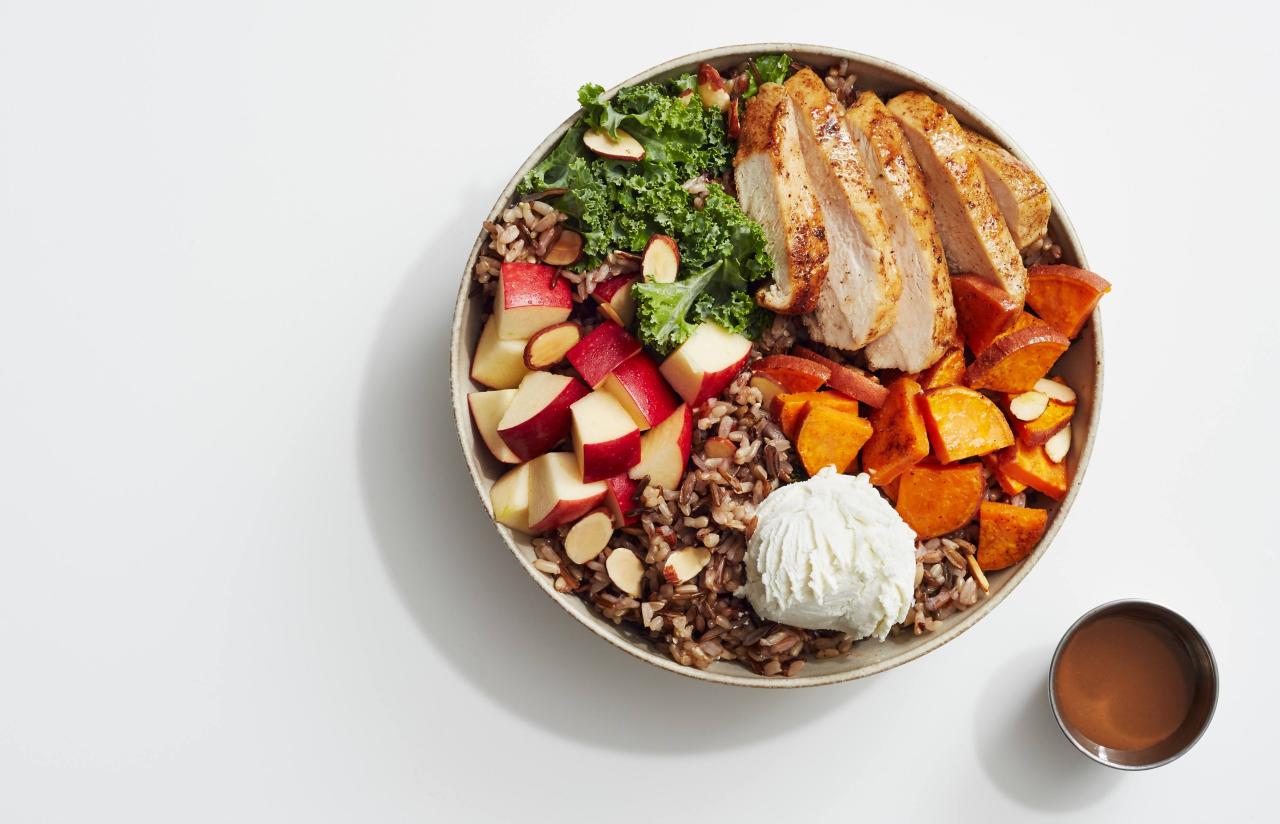
Sweetgreen offers a variety of flavorful dressings to complement their fresh salads. These dressings are carefully crafted to enhance the taste of the salads while adding a unique twist to the overall dining experience.
Key Ingredients in Sweetgreen Dressings
- Extra Virgin Olive Oil: Rich in healthy fats and antioxidants, olive oil is a staple in many dressings for its smooth texture and distinct flavor.
- Citrus Juices: Lemon, lime, or orange juices are commonly used in dressings to add a tangy and refreshing element to the salads.
- Herbs and Spices: Ingredients like garlic, basil, cilantro, and cumin are often included to enhance the flavor profile of the dressings.
- Agave or Honey: Natural sweeteners like agave or honey are used sparingly to balance out the acidity in the dressings.
Dressings play a crucial role in a salad by providing a burst of flavor and tying all the ingredients together. They also contribute to the overall nutritional value of the salad, as they can contain essential nutrients from the ingredients used. However, it's important to be mindful of the portion size and the ingredients in the dressing to ensure that it complements the salad in a healthy way.
Nutritional Analysis of Sweetgreen Dressings
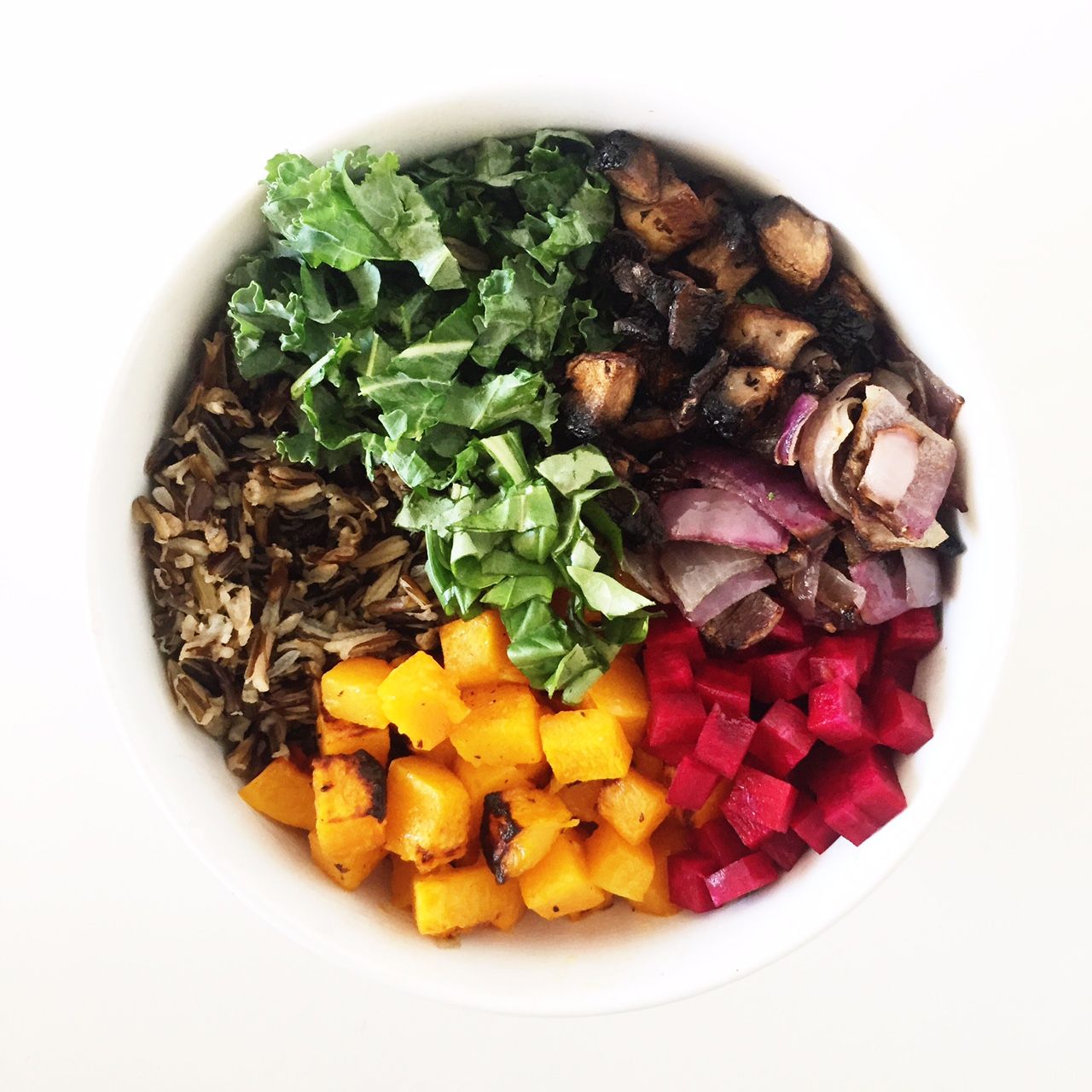 When it comes to Sweetgreen dressings, understanding their nutritional values is crucial in determining how healthy they really are. Let's break down the calorie content, fat levels, sugar content, and other nutritional aspects to see how these dressings contribute to the overall healthiness of Sweetgreen salads.
Comparison of Nutritional Values
- Sweetgreen's Green Goddess Dressing: This dressing is known for its creamy texture and tangy flavor. It contains about 120 calories per serving, 12 grams of fat, and 2 grams of sugar. While it is higher in fat content, it is relatively low in sugar compared to other dressings.
- Sweetgreen's Spicy Cashew Dressing: This dressing offers a unique kick with its spicy and nutty flavor profile. It contains approximately 90 calories per serving, 8 grams of fat, and 3 grams of sugar. It is a lighter option in terms of calories and fat.
- Sweetgreen's Carrot Chili Vinaigrette: Known for its zesty and slightly sweet taste, this dressing provides around 100 calories per serving, 10 grams of fat, and 4 grams of sugar. It strikes a balance between the other two dressings in terms of nutritional values.
Analysis of Nutritional Aspects
It's important to note that while the fat content may seem high in some dressings, not all fats are created equal. Some dressings may contain healthy fats like monounsaturated fats from nuts or seeds.
- Calorie Content: Sweetgreen dressings range from around 90-120 calories per serving, making them a moderate addition to salads. Opting for lighter dressings can help control calorie intake.
- Fat Levels: The fat content in Sweetgreen dressings varies, with some dressings containing more fat than others. Choosing dressings with healthier fats can be beneficial for overall health.
- Sugar Levels: While some dressings may contain added sugars, others are naturally sweetened with ingredients like fruits or honey. Monitoring sugar intake from dressings is essential for a balanced diet.
Ingredient Quality and Sourcing
When it comes to the quality of ingredients used in Sweetgreen dressings, the company prides itself on sourcing fresh, organic, and locally grown produce to create flavorful and nutritious options for their customers. This commitment to using high-quality ingredients can have a significant impact on the overall nutritional value of the dressings offered.Organic Ingredients
Using organic ingredients in dressings ensures that they are free from harmful pesticides, synthetic fertilizers, and other chemicals that can be detrimental to health. Sweetgreen's focus on organic sourcing not only provides a cleaner product for consumers but also supports sustainable farming practices that benefit the environment.Non-GMO Ingredients
By choosing non-GMO ingredients, Sweetgreen avoids using genetically modified organisms that may have unknown long-term health effects. Non-GMO sourcing aligns with the company's commitment to transparency and providing customers with wholesome and safe food options.Locally Sourced Ingredients
Sweetgreen's emphasis on using locally sourced ingredients not only supports small-scale farmers and producers but also ensures that the dressings are made with fresh, seasonal produce. This practice can lead to greater nutrient content in the dressings, as the ingredients are picked at peak ripeness and retain more vitamins and minerals.Sustainable Sourcing Practices
In addition to focusing on organic, non-GMO, and locally sourced ingredients, Sweetgreen also prioritizes sustainability in their sourcing practices. By working with suppliers who adhere to ethical and environmentally friendly standards, the company is able to create dressings that not only taste good but also align with their values of social responsibility and environmental stewardship.Health Benefits and Concerns
Consuming Sweetgreen dressings can offer various health benefits due to the use of fresh, whole ingredients that are rich in nutrients. However, there are also some concerns and drawbacks related to certain ingredients used in these dressings.Health Benefits of Sweetgreen Dressings
- Rich in vitamins and minerals: The use of ingredients like olive oil, lemon juice, and fresh herbs in Sweetgreen dressings provides essential vitamins and minerals that are beneficial for overall health.
- Antioxidant properties: Ingredients such as garlic, turmeric, and apple cider vinegar in the dressings have antioxidant properties that can help fight inflammation and oxidative stress in the body.
- Heart-healthy fats: Olive oil, avocado, and nuts used in the dressings are sources of healthy fats that can support heart health and reduce the risk of cardiovascular diseases.
Concerns and Drawbacks
- High in added sugars: Some Sweetgreen dressings may contain added sugars, which can contribute to increased calorie intake and may not be suitable for individuals with diabetes or those watching their sugar consumption.
- High in sodium: Certain dressings may be high in sodium, which can lead to bloating, high blood pressure, and other health issues when consumed in excess.
- Potential allergens: Ingredients like nuts, dairy, and soy used in the dressings can be allergens for some individuals, causing adverse reactions if consumed unknowingly.
Impact of Ingredients on Health
| Ingredient | Health Outcome |
|---|---|
| Olive oil | Improves heart health, reduces inflammation |
| Sugar | Can lead to weight gain, increase risk of diabetes |
| Garlic | Supports immune function, may lower blood pressure |
End of Discussion
Wrapping up our exploration of Sweetgreen dressings, we have unveiled the importance of understanding their impact on overall nutrition.
Common Queries
What are the key ingredients commonly used in Sweetgreen dressings?
Sweetgreen dressings often feature ingredients like olive oil, lemon juice, honey, and various herbs for flavor.
Do Sweetgreen dressings contribute to the overall healthiness of their salads?
Yes, as dressings can enhance the taste of salads and provide essential nutrients, but it's important to choose wisely to maintain a healthy balance.
Are there any concerns or drawbacks related to consuming Sweetgreen dressings?
Some Sweetgreen dressings may contain high amounts of sugar or unhealthy fats, so it's crucial to be mindful of portion sizes and ingredients.
How do different ingredients in Sweetgreen dressings affect health outcomes?
Ingredients like olive oil can offer heart-healthy fats, while excessive sugar in dressings can lead to negative health effects if consumed in large quantities.