
Starting off with the question "Does Health Insurance Cover Visits to a Registered Dietitian?", this introductory paragraph aims to grab the attention of the readers and provide an intriguing overview of the topic.
Following this, the subsequent paragraph will delve into the specifics of the subject matter, offering detailed and comprehensive information.
What is the role of a registered dietitian in healthcare?
Registered dietitians play a crucial role in healthcare by providing expert guidance on nutrition and diet to promote overall health and well-being. They work closely with patients to develop personalized nutrition plans tailored to their specific needs and goals.Importance of Registered Dietitians in Managing Health and Wellness
- Registered dietitians help individuals make informed decisions about their diet to prevent or manage chronic diseases such as diabetes, heart disease, and obesity.
- They educate patients on the importance of balanced nutrition and healthy eating habits to improve overall health outcomes.
- Registered dietitians play a key role in enhancing the quality of life for individuals with dietary restrictions or food allergies by providing alternative options and solutions.
Qualifications and Expertise of Registered Dietitians
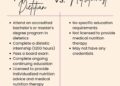
- Registered dietitians hold a bachelor's degree in nutrition or a related field, complete a supervised internship, and pass a national exam to become certified.
- They stay up-to-date on the latest research and guidelines in nutrition science to provide evidence-based recommendations to their clients.
- Registered dietitians have the knowledge and skills to address a wide range of nutrition-related issues, from weight management to sports nutrition.
Conditions or Diseases Benefiting from a Registered Dietitian's Intervention
- Diabetes: Registered dietitians can help individuals with diabetes manage their blood sugar levels through diet modifications and meal planning.
- Heart Disease: Registered dietitians can assist in developing heart-healthy eating patterns to reduce the risk of cardiovascular events.
- Gastrointestinal Disorders: Registered dietitians can provide guidance on managing conditions like irritable bowel syndrome (IBS) through specialized diets.
How does health insurance coverage work for visits to a registered dietitian?
When it comes to health insurance coverage for visits to a registered dietitian, there are certain considerations and guidelines to be aware of. Different insurance plans may have varying policies regarding coverage for dietitian visits. It is essential to understand the common types of health insurance plans that may cover visits to a registered dietitian and the criteria set by insurance companies for coverage.Types of Health Insurance Plans
- Private Health Insurance: Many private health insurance plans offer coverage for visits to a registered dietitian, especially if it is deemed medically necessary.
- Employer-Sponsored Health Insurance: Some employer-sponsored health insurance plans may include coverage for dietitian visits as part of their benefits package.
- Medicare and Medicaid: In certain cases, Medicare and Medicaid may cover visits to a registered dietitian, particularly for specific medical conditions or situations.
Criteria for Coverage
- Medical Necessity: Insurance companies typically require that visits to a registered dietitian be deemed medically necessary for coverage to apply.
- Referral Requirement: Some insurance plans may necessitate a referral from a primary care physician or specialist before covering visits to a dietitian.
- Diagnosis Codes: Insurance companies often require specific diagnosis codes to be documented by the healthcare provider to justify the need for dietitian services.
Documentation and Procedures
- Prior Authorization: Certain insurance plans may require prior authorization before scheduling visits to a registered dietitian.
- Claim Submission: To claim insurance for dietitian visits, individuals may need to submit receipts, invoices, and documentation of the services provided.
- Medical Records: Insurance companies may request medical records or progress notes from the dietitian to verify the necessity of the services rendered.
What are the benefits of health insurance covering visits to a registered dietitian?
 Visiting a registered dietitian can have numerous benefits for individuals looking to improve their health and well-being. When health insurance covers these visits, it further enhances the advantages of seeking professional dietary guidance.
Promotes Preventive Care
- Regular consultations with a registered dietitian can help individuals make healthier food choices and develop sustainable eating habits, ultimately preventing the onset of chronic diseases such as diabetes, heart disease, and obesity.
- Insurance coverage for dietitian visits encourages individuals to prioritize their nutritional needs and take proactive steps towards maintaining good health, rather than waiting until they develop serious health issues.
Improves Overall Health Outcomes
- Access to registered dietitians through insurance enables individuals to receive personalized nutrition advice tailored to their specific health goals and dietary requirements, leading to improved overall health outcomes.
- By following the recommendations of a dietitian, individuals can manage existing health conditions more effectively, reduce symptoms, and enhance their quality of life through better nutrition.
Cost Savings and Long-term Health Benefits
- Health insurance coverage for visits to a registered dietitian can result in cost savings in the long run by preventing expensive medical treatments, hospitalizations, and medications that may be required due to poor dietary choices and related health issues.
- Individuals who regularly consult with a dietitian and follow a healthy eating plan are likely to experience long-term health benefits, such as improved energy levels, better weight management, enhanced mental well-being, and reduced risk of developing chronic diseases.
Challenges or limitations of health insurance coverage for visits to a registered dietitian
While health insurance coverage for visits to a registered dietitian can be beneficial, there are also challenges and limitations that individuals may face when trying to utilize this service.
Common Barriers in Utilizing Insurance for Dietitian Services
- Limited Coverage: Some insurance plans may have restrictions on the number of sessions covered or the total amount reimbursed for dietitian services.
- High Co-Pays or Deductibles: Individuals may have to pay high out-of-pocket costs due to co-pays or deductibles for each visit to a dietitian.
- Out-of-Network Providers: Insurance plans may only cover visits to dietitians who are in-network, making it challenging to see a preferred dietitian who is out-of-network.
Situations Where Insurance Coverage May Be Limited or Insufficient
- Pre-Existing Conditions: Some insurance plans may not cover dietitian consultations for certain pre-existing conditions or may limit the coverage for specific conditions.
- Lack of Medical Necessity: Insurance companies may require a medical referral or deem dietitian services as not medically necessary, leading to limited coverage.
- Complex Paperwork: Individuals may face challenges in navigating the complex paperwork and documentation required by insurance companies for dietitian services.
Strategies or Alternatives for Individuals Facing Challenges with Insurance Coverage
- Health Savings Account (HSA) or Flexible Spending Account (FSA): Individuals can use these accounts to cover the costs of dietitian visits if insurance coverage is insufficient.
- Seeking In-Network Providers: Choosing a dietitian who is in-network with the insurance plan can help reduce out-of-pocket costs for consultations.
- Appealing Insurance Decisions: Individuals can appeal insurance denials or limitations for dietitian services by providing additional documentation or seeking support from healthcare providers.
Epilogue

Concluding with a captivating summary, this final paragraph will wrap up the discussion in an engaging manner, leaving the readers with lasting thoughts.
FAQ Summary
What types of health insurance plans may cover visits to a registered dietitian?
Common types of health insurance plans that cover visits to a registered dietitian include PPOs, HMOs, and some employer-sponsored plans. It's important to check with your insurance provider for specific coverage details.
What criteria or requirements do insurance companies typically set for coverage of visits to a registered dietitian?
Insurance companies may require a referral from a primary care physician, proof of medical necessity, and documentation of the dietitian's qualifications. Each insurance plan may have different requirements, so it's best to confirm with your provider.
How can insurance coverage for visits to a registered dietitian promote preventive care?
Insurance coverage for dietitian visits encourages individuals to seek preventive care, leading to early intervention for health issues and better overall wellness. This can result in long-term health benefits and cost savings.
What are some common barriers individuals may face in utilizing insurance for dietitian services?
Common barriers include limited coverage for dietitian visits, high out-of-pocket costs, and restrictions on the number of visits allowed. Some insurance plans may also require pre-authorization before seeing a dietitian.
What are some strategies for individuals facing challenges with insurance coverage for dietitian visits?
One strategy is to explore alternative payment options, such as health savings accounts or flexible spending accounts, to cover the cost of dietitian services. Additionally, discussing coverage options with the insurance provider or seeking assistance from the dietitian's office can help navigate challenges.