
Exploring the realm of clinical mental health counseling and its impact on well-being opens up a world of possibilities. Dive into this informative guide to discover how counseling can transform your mental health journey.
Delve into the nuances of clinical mental health counseling and uncover the key elements that contribute to a healthier mind and spirit.
The Role of Clinical Mental Health Counseling
Clinical mental health counseling plays a crucial role in helping individuals navigate and overcome various mental health challenges. Unlike other forms of therapy, clinical mental health counseling focuses on diagnosing and treating mental health disorders using evidence-based practices and interventions.Differences from Other Forms of Therapy
- Clinical mental health counseling involves a comprehensive assessment of mental health issues, leading to a formal diagnosis and personalized treatment plan.
- It emphasizes the use of research-based techniques and interventions tailored to the individual's specific needs and goals.
- Qualified mental health counselors are trained to address severe mental health disorders, such as schizophrenia, bipolar disorder, and major depressive disorder, through a combination of therapy, medication management, and crisis intervention.
Examples of Mental Health Issues Addressed
- Anxiety disorders, including generalized anxiety disorder, panic disorder, and social anxiety disorder
- Mood disorders like depression, bipolar disorder, and seasonal affective disorder
- Trauma and stress-related disorders, such as post-traumatic stress disorder (PTSD) and acute stress disorder
Importance of a Qualified Mental Health Counselor
Clinical mental health counselors undergo rigorous training and education to provide effective treatment to individuals struggling with mental health issues. Their expertise in evidence-based practices, assessment, and therapeutic techniques ensures that clients receive the support and guidance needed to improve their overall well-being. A qualified mental health counselor can create a safe and supportive environment for clients to explore their emotions, thoughts, and behaviors, leading to positive outcomes and lasting change.Benefits of Clinical Mental Health Counseling
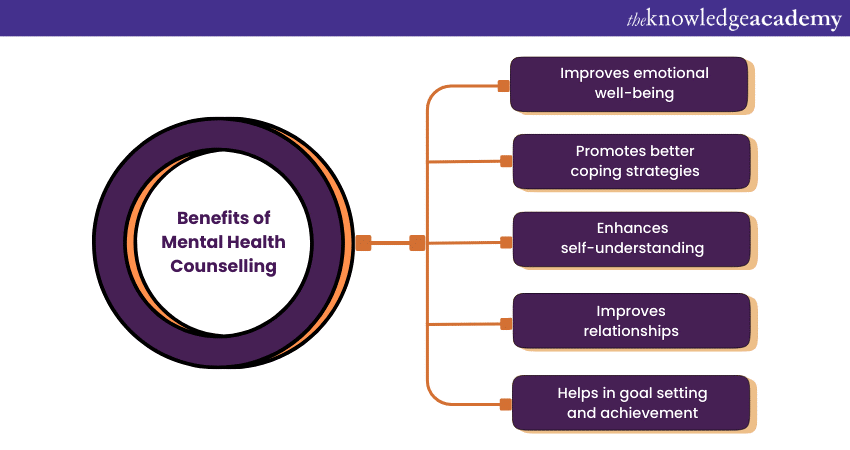
Clinical mental health counseling offers a wide range of benefits that can significantly improve emotional well-being and overall quality of life. Through counseling sessions, individuals can develop coping strategies for managing stress and anxiety, enhance self-awareness, and build self-esteem.Improving Emotional Well-Being
Clinical mental health counseling provides a safe space for individuals to express their thoughts and emotions openly. Therapists help clients explore and understand their feelings, leading to a greater sense of emotional well-being and inner peace.Developing Coping Strategies for Stress and Anxiety
Counseling sessions focus on teaching individuals effective coping mechanisms to deal with stress and anxiety. Therapists provide tools and techniques to manage overwhelming emotions, reduce anxiety levels, and navigate challenging situations with resilience.Enhancing Self-Awareness and Self-Esteem
Clinical mental health counseling promotes self-discovery and self-reflection, leading to increased self-awareness. By understanding their thoughts, beliefs, and behaviors, individuals can develop a more positive self-image and boost their self-esteem. Therapists work collaboratively with clients to identify strengths and empower them to overcome personal challenges.Techniques Used in Clinical Mental Health Counseling
 Clinical mental health counselors employ various therapeutic techniques to help individuals navigate through their mental health challenges. These techniques are designed to support clients in understanding their thoughts, emotions, and behaviors, ultimately promoting positive change and overall well-being.
Cognitive-Behavioral Therapy (CBT)
- CBT is a widely used therapeutic approach that focuses on identifying and challenging negative thought patterns and beliefs.
- By helping individuals recognize and reframe their negative thinking, CBT can lead to more positive behaviors and emotions.
- Therapists often assign homework assignments, such as keeping thought records or practicing relaxation techniques, to reinforce learning outside of therapy sessions.
Mindfulness-Based Stress Reduction (MBSR)
- MBSR combines mindfulness meditation and yoga practices to help individuals increase awareness of their thoughts, emotions, and bodily sensations.
- Practicing mindfulness can reduce stress, anxiety, and depression by promoting present-moment awareness and acceptance.
- Therapists may guide clients through mindfulness exercises, such as body scans or mindful breathing, to cultivate a sense of calm and clarity.
Dialectical Behavior Therapy (DBT)
- DBT focuses on developing skills in emotional regulation, distress tolerance, interpersonal effectiveness, and mindfulness.
- Individuals learn how to manage intense emotions, navigate relationships, and cope with challenging situations effectively.
- Therapists may use diary cards, role-playing exercises, and behavior chain analysis to help clients apply DBT skills in their daily lives.
Integration of Clinical Mental Health Counseling in Daily Life
After completing a clinical mental health counseling program, individuals can benefit greatly from integrating the lessons learned into their daily lives. This integration is crucial for long-term well-being and continued mental health support.
Incorporating Mental Health Practices into Daily Routines
It is essential to establish daily routines that prioritize mental health practices. Here are some tips on how individuals can incorporate these practices into their everyday lives:
- Start the day with mindfulness exercises or meditation to set a positive tone for the day.
- Practice gratitude by keeping a daily journal and reflecting on things you are thankful for.
- Engage in regular physical activity, as exercise has been shown to improve mental well-being.
- Set boundaries to protect your mental health, whether it's saying no to unnecessary commitments or limiting exposure to negative influences.
- Connect with loved ones regularly and seek support when needed.
Importance of Ongoing Support and Follow-Up
While completing a counseling program is a significant step towards better mental health, ongoing support and follow-up are equally important. Here's why continued support is crucial:
- It helps individuals stay accountable and motivated to maintain the progress made during counseling sessions.
- Regular check-ins with a mental health professional can catch any early signs of relapse or new challenges that may arise.
- Having a support system in place ensures that individuals have resources to turn to during difficult times.
- Ongoing counseling sessions can provide additional tools and strategies for coping with daily stressors and improving overall well-being.
Conclusion
In conclusion, the journey through clinical mental health counseling is a transformative experience that can lead to profound improvements in emotional well-being. By incorporating the techniques and lessons learned into daily life, individuals can pave the way for long-term mental wellness.
Quick FAQs
How long does a typical counseling session last?
A typical counseling session lasts around 45 to 60 minutes, but the duration can vary depending on individual needs and counselor preferences.
Is clinical mental health counseling only for people with severe mental health issues?
No, clinical mental health counseling can benefit individuals dealing with various mental health challenges, from everyday stress to more severe conditions. It is a versatile form of therapy.
How can I find a qualified mental health counselor?
You can start by asking for recommendations from your primary care physician, searching online directories of licensed counselors, or contacting mental health organizations for referrals. It's important to choose a counselor who is licensed and experienced in the specific areas you need help with.